Aviation and Seamless Mobility Critical to Africa’s Integration Agenda – GCAA DG
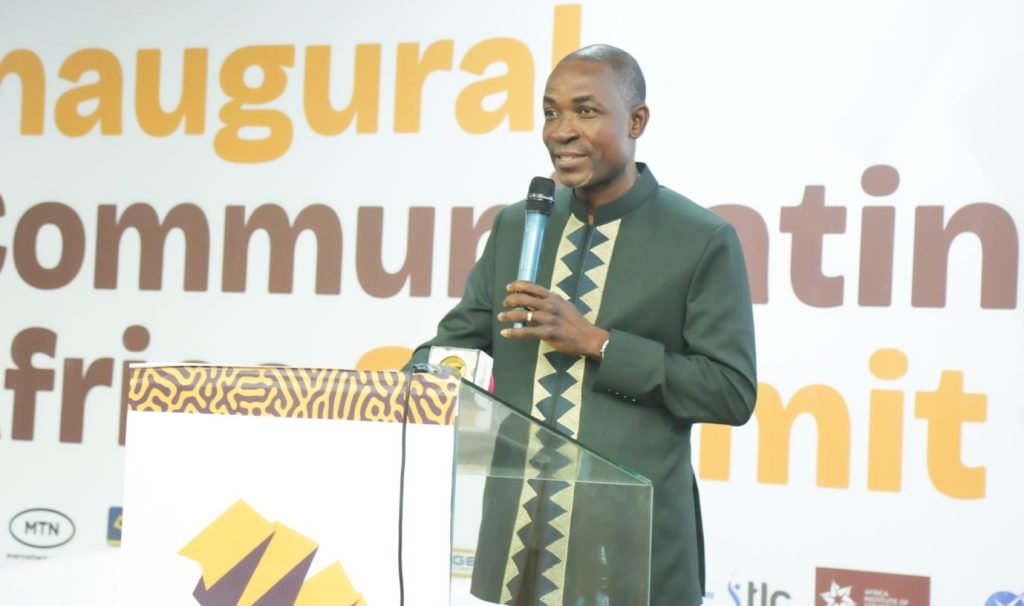
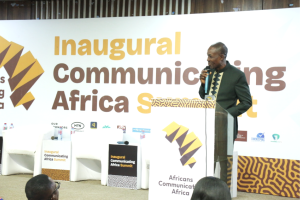
Ghana Civil Aviation Authority Director-General, Rev Stephen Wilfred Arthur, has underscored the critical role of aviation and seamless mobility in achieving Africa’s long-term integration and development agenda.
Speaking on the theme “Connecting Africa Beyond the Borders,” at the inaugural Communicating Africa Summit organised by Africans Communicating Africa at the GNAT Hall on Tuesday, May 26, 2026, Rev Arthur said Africa’s future prosperity depends heavily on stronger intra-African connectivity, open skies policies, and the removal of barriers to movement across the continent.
President Mahama’s Visa-Free Policy Commended
Rev Arthur praised John Dramani Mahama for announcing visa-free entry and visa-fee waivers for Africans travelling to Ghana, describing the move as a “wonderful and important gift” to the continent on African Union Day.
According to him, the policy demonstrates Ghana’s commitment to African unity and continental integration.
Aviation Key to African Unity
The GCAA Director-General noted that for decades, Africans travelling between neighbouring countries have often been forced to transit through Europe before reaching another African destination — a situation he described as both inconvenient and detrimental to Africa’s economic and social development.
He said the lack of direct intra-African air connectivity has hindered trade, tourism, investment, diplomacy, cultural exchange, and meaningful human interaction across the continent.
“In many ways, it has undermined the pan-African vision of unity and cooperation championed by our founding leaders,” he said, referencing Kwame Nkrumah’s vision of a united Africa connected through movement, opportunity, and shared purpose.
Rev Arthur stressed that while digital communication platforms are important, they cannot replace face-to-face interaction and the cultural exchange that comes with physical movement across borders.
Support for Open Skies and SAATM
He highlighted initiatives such as the African Continental Free Trade Area and the Single African Air Transport Market as critical frameworks for deepening economic integration through efficient mobility.
According to him, a fully integrated African aviation market would stimulate economic growth, create jobs, reduce travel costs, increase tourism, and strengthen regional cooperation.
Rev Arthur said Ghana is pursuing an aviation liberalisation policy that allows airlines greater flexibility across African routes. He cited examples of Kenya Airways operating flights between Nairobi, Accra, and Sierra Leone, as well as previous operations by South African Airways linking Accra and Washington.
He also reiterated the need for Ghana to re-establish a national airline, saying the country must believe that a successful national carrier can once again become a reality.

GCAA’s Commitment to Passenger Protection
Rev Arthur further outlined measures being implemented by the GCAA to improve passenger experience and aviation safety.
He announced the recent launch of a digital Passenger Complaints Portal that allows travellers to report issues such as delayed flights, missing baggage, damaged luggage, cancellations, and compensation concerns without physically visiting the regulator’s offices.
“We are here to serve the travelling public and ensure aviation in Africa remains safe, efficient, accessible, and future-ready,” he stated.
The summit brought together communication experts, academics, creatives, and policy leaders to deliberate on reclaiming and reshaping the African narrative.
The event was chaired by Dr Joyce Aryee, with other notable participants including Prof Audrey Gadzekpo, Okyeame Kwame, Ivan Quashigah, Sylvia Owusu-Ankomah, Sylvia Kudjordji, Dr Albert Anani-Bossman and Kirstie Angsmann.
Reclaiming the African Narrative
In her remarks, Dr Joyce Aryee described the summit as the beginning of a movement aimed at intentionally reclaiming and reshaping Africa’s narrative from longstanding Western stereotypes focused largely on poverty, conflict, and disease.
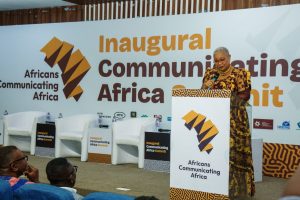
She argued that many global narratives about Africa are incomplete and damaging, often overshadowing the continent’s achievements and diversity.
Delivering the keynote address, Prof Audrey Gadzekpo criticised what she described as decades of biased Western media portrayals of Africa, which often reduce the continent to stories of coups, violence, hunger, and instability.
She warned against replacing one incomplete narrative with another and urged Africans to adopt more nuanced storytelling that reflects the continent’s diversity, complexity, resilience, and innovation.
Prof Gadzekpo also cautioned that while digital platforms and artificial intelligence offer opportunities for Africans to amplify their stories globally, many AI systems are still trained on datasets shaped by Western biases.
The summit featured two panel discussions focused on African storytelling, communication, and strategies for reshaping perceptions about the continent.

You may also like
-
GCAA Hosts JARUS Plenary Meeting on Unmanned Systems
-
President Mahama: New ATC Tower, Other AIA Projects Funded by GCAA, GACL Without Government Funding
-
GCAA Holds 2026 Emergency Response Table-Top Exercise
-
GCAA, AFCAC and CAAS Empower African Aviation Professionals with Crisis Management Skills
-
GCAA Receives Final Sustainable Aviation Fuel Business Implementation Study Report